Wind-Driven Roof Leak Repair
Stay off a wet or steep roof; wind-driven leaks are safest to trace from indoors until a roofer can inspect. In Danbury, gusts can push rain against shingle edges and roof joints from a direction the roof sheds less readily. Water may work beneath a lifted edge or through a small opening, even when the same area stays dry in calm weather. The leak’s timing can point to wind-driven rain: note whether it begins as gusts change direction, then eases when the wind shifts.
The wind’s path matters because it changes which roof surfaces and seams take the force of rain. A home near Danbury Green or Candlewood Lake can have a leak that appears only with rain coming from one side; that pattern does not identify the failed part by itself. Write down the wind direction, when water first appeared, and whether the drip stopped as conditions changed. Those details give the pros we connect you with a useful starting point for inspection.
Roof Leak Repair at Shingle Edges
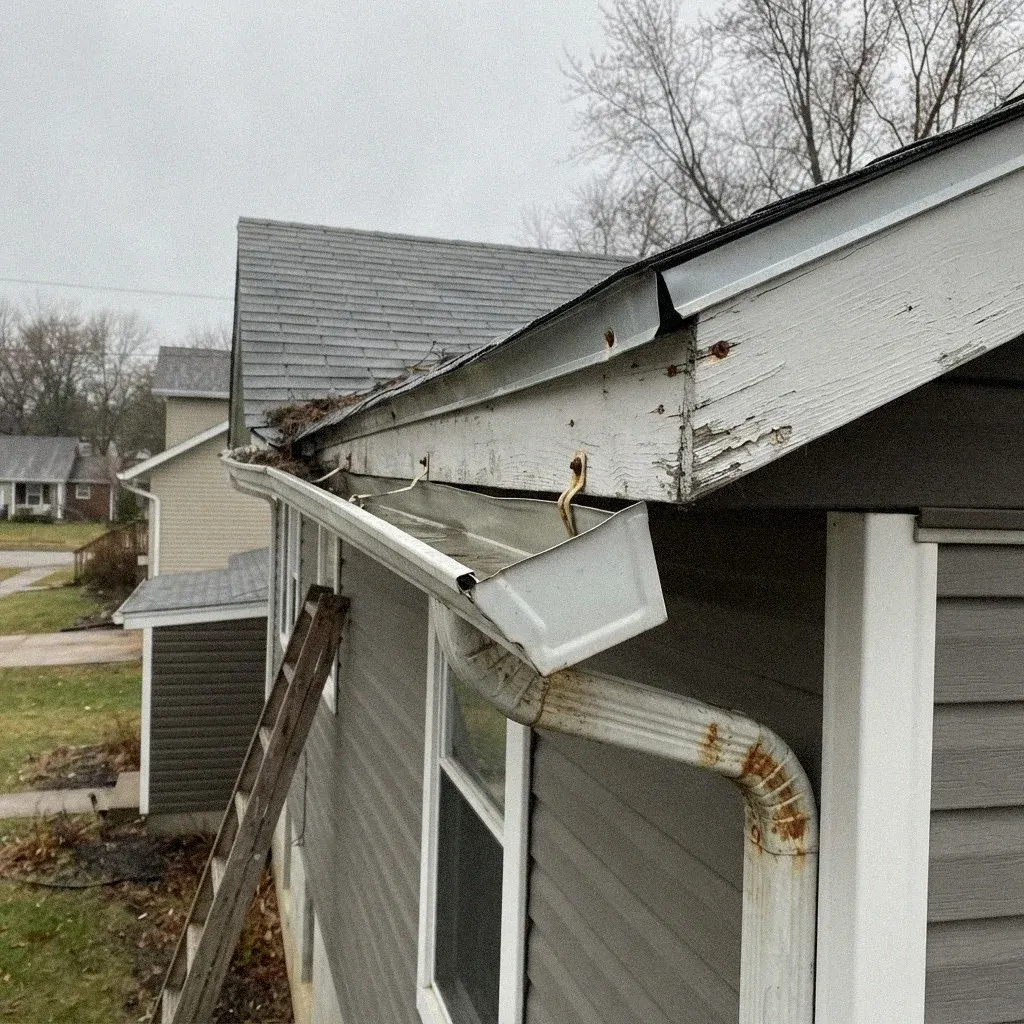
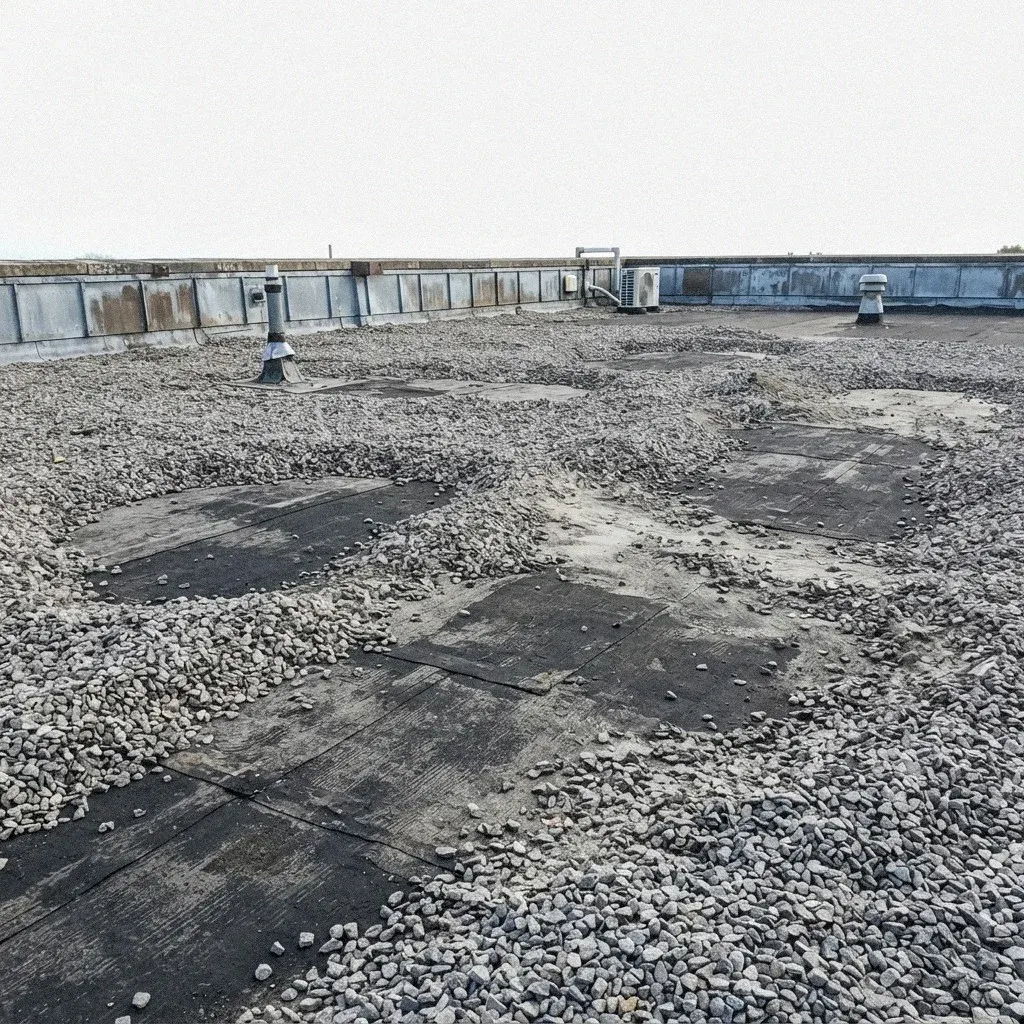
A roof inspection can follow that pattern across the affected slope and nearby transitions. Shingle edges, valleys, vent boots, and seams deserve attention because a gap or worn seal can admit water when rain reaches it at an angle. Inspecting several roof features can help show whether a visible gap is part of a larger leak path. Around Western Connecticut State University, as elsewhere in Danbury, the roof material and condition determine which repair fits; a wind-related leak does not point to one standard fix.
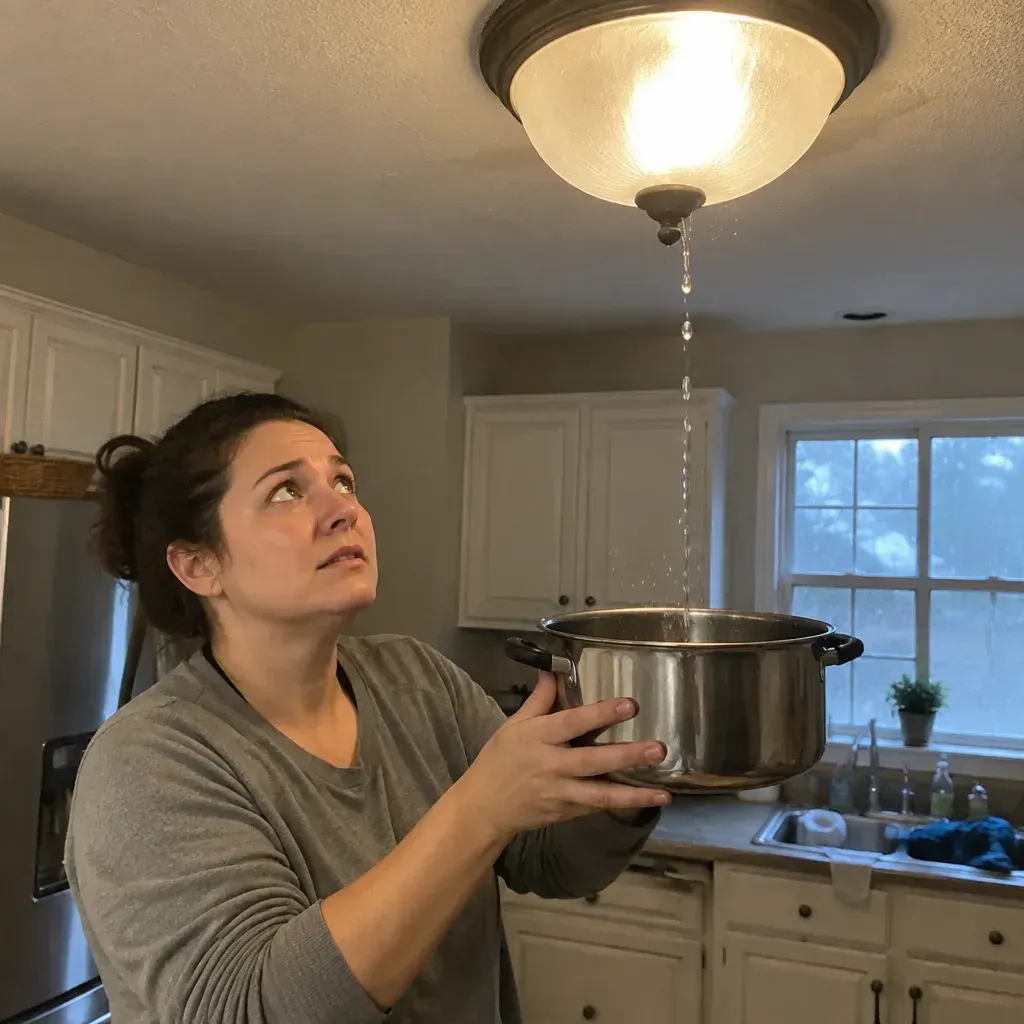
The place where water shows indoors may be well away from the opening above. Damp wood or insulation in the attic can help identify which roof area needs a closer look. An attic view can help trace that route and connect damp wood or insulation with the roof area above it. A roofer can use those clues alongside the exterior inspection before describing repair options.
Roof Leak Repair Clues Indoors
A ground-level photo can preserve visible roof details to compare with the indoor clues. You might record the roof side those clues appear on in relation to the storm’s wind direction. Near Tarrywile Park or Route 22, the same observation process applies across Danbury; the local setting does not establish what roofing a home has. Do not climb up to check suspected damage. A wet or steep surface calls for proper access equipment and fall protection.
If the ceiling mark changes after rain, note that separately from active dripping. Record when it begins and when it fades, then take clear photos if conditions allow. A mark near Danbury Hospital, for example, is still useful to describe by room and ceiling location rather than by a guess about where water entered. Pair those observations with any safe ground-level view of the roof so the inspection has both sides of the story.
Roof Leak Repair While Awaiting Inspection
A loose roof fastener may leave a small opening that lets rain reach the roof deck. For a Danbury home near Route 22 or Still River Greenway, rain driven sideways can slip beneath shingle edges or enter vent boots and seams that shed water from above. Once inside, it may follow roof framing before leaving a ceiling mark far from the opening. Attic dampness can help narrow the route. Record when the drip starts and which way the wind blows, then share those details with the pros we connect you with when arranging an inspection.
When arranging a roof inspection, tell the pros we connect you with where water appeared, when it started, and which way the wind was moving rain. Mention any visible roof change you observed from the ground and share photos of the interior stain. You can also ask whether the inspection will include an attic view above the stain. A targeted repair may suit a localized problem, while broader findings can call for further evaluation; the inspection determines the next step.
Dealing with a roof leak at your home?
If the home is in Danbury, give its street address when you call (475) 897-6140. The pros we connect you with can confirm whether they serve that address, discuss possible visit timing, and explain any inspection charge before you schedule. If Still River, Ballard Park, or Keeler Tavern Museum helps you describe the location, use that as a reference, then provide the address for a coverage check. Mention which rooms are affected and whether the problem changes after rain or freezing weather; those details help frame the conversation.