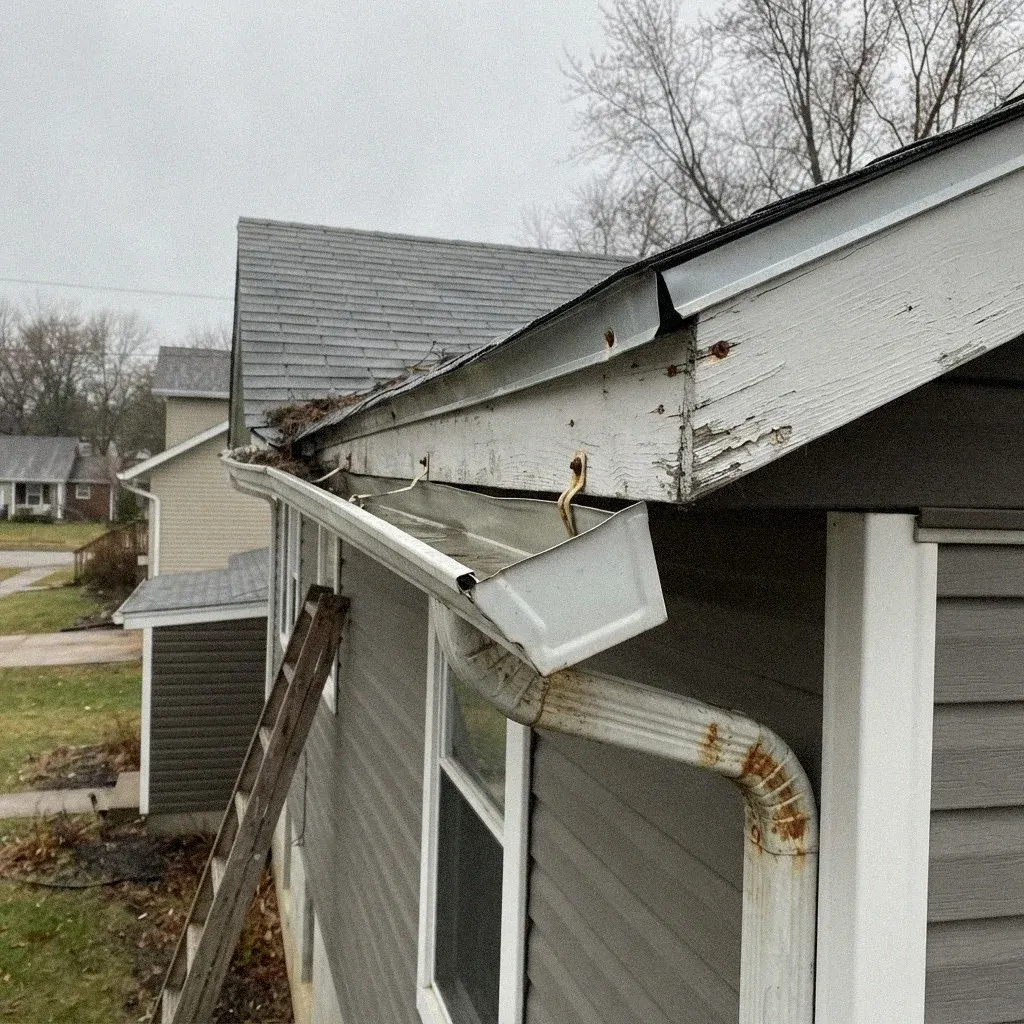
Leaks After Rain
Why can a Danbury roof keep dripping after rain ends? Learn how water held in roof materials affects timing, what signs to track, and when to arrange an inspection.
Read article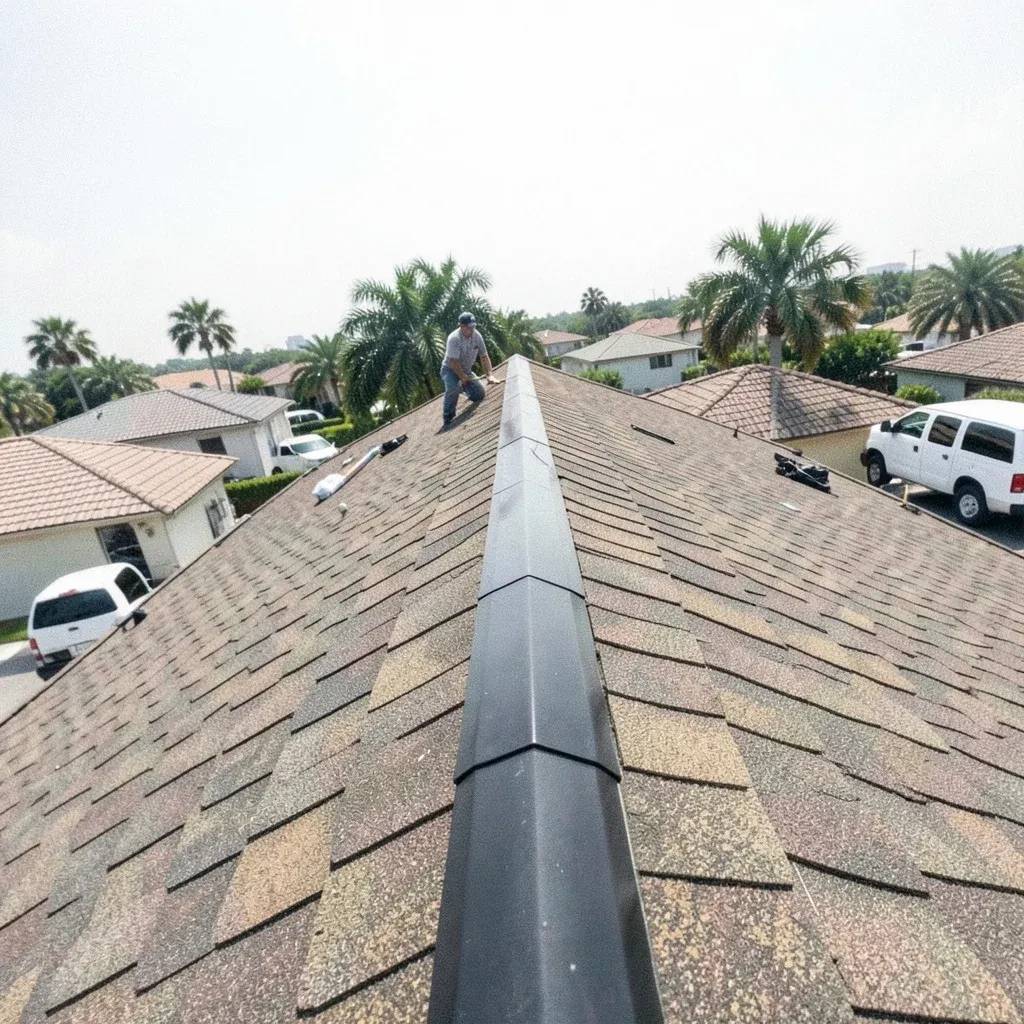
Safe indoor steps and temporary cover options while permanent repair is arranged
Around Danbury, steady rain or melting snow can turn a room into a moving target: drips shift, stored items get wet, and a ceiling mark may widen while permanent work is arranged. Homes near Tarrywile Park and Candlewood Town Park sit in different settings, but the first priorities are the same: stay clear of unsafe ceilings, move belongings, and catch water indoors only where the floor is sound. Tell the pros we connect you with what is happening and where.
For a Danbury call, the pros we connect you with first check whether roof access and conditions allow work, then consider a secured emergency roof tarp or a way to redirect runoff. Roof pitch, surface, setup access, and the area needing shelter affect materials, labor, and timing; an address near Candlewood Lake may pose different staging needs from one reached off Route 8. Ask what the temporary work covers, what it cannot protect, and what photos or written notes will document the visit.
In Danbury, from homes near Aldrich Museum to requests across Ridgefield, Brookfield and New Fairfield, emergency leak protection can examine flashing at walls, chimneys, and openings where roof surfaces meet.
A managed or workplace building belongs with commercial roof leak repair; residential roof leak repair service is the route when you need help with the roof over your residence.
A temporary measure can cover part of a roof while water already beneath the surface continues to show indoors. In Danbury, photograph ceiling marks and the temporary setup, and note the rain or snow conditions you observe. That record gives the follow-up roofer a useful before-and-after reference for a home near Candlewood Town Park or elsewhere in the city. A ceiling stain may spread or darken while moisture continues to reach it, so note any visible change during follow-up.
A ceiling that bows or feels soft may be holding water above the finished surface. New cracks or falling flakes nearby can be additional signs that the ceiling surface is weakening. If you can leave belongings untouched and still keep them dry, do so. Describe the ceiling condition to the pros we connect you with so they can account for the indoor hazard before discussing an emergency roof tarp or other temporary protection.
Water near a ceiling light, outlet, or appliance changes the immediate concern from cleanup to electrical safety. Do not handle wet switches or cords, and keep others away from the area. If you can cut power from a dry, safe location, follow your household safety plan; otherwise contact emergency help for electrical guidance. Tell the pros we connect you with where the water is showing and mention nearby electrical fixtures before anyone approaches the roof.
You describe the active leak, affected rooms, indoor hazards, and access limits so the visit can account for immediate safety and protection needs.
Share the leak details and any indoor safety concerns with the licensed pros we connect you with.
The roofer explains the cover or diversion area, materials, estimate, and limits so you know what the temporary work is meant to shield.
Visible conditions are photographed or noted, and follow-up is set out so you have a record while permanent work is arranged.
Danbury's seasonal rain, snow, and freezing temperatures can expose a temporary cover to changing conditions before permanent work is scheduled. Around Candlewood Town Park or Sanfords Pond, an emergency roof tarp still has to suit the individual roof and the safe way to reach it; local landmarks do not predict roof shape or material. A secured cover may reduce direct exposure, but water can still find another route. Clear limits and follow-up notes matter.
Ask for a written note describing the area covered, when the temporary protection was put in place, its limits, and the planned follow-up. Danbury rain, freezing temperatures, and snow can expose a temporary setup to changing conditions, so clarify what should prompt another check. Keep the note and photos with your repair records, whether your home is near Tarrywile Park or elsewhere in Danbury. This paperwork helps distinguish short-term protection from the permanent work still to come.
Keep the temporary measure and any later roof repair clear as separate parts of the paperwork. Ask for the covered area, materials, access assumptions, charge terms, and limits in writing, then request photos of visible conditions and a note describing the follow-up discussed. Danbury homeowners can keep those records with insurer or property-manager correspondence. The notes help show what was done to limit exposure while permanent work is considered, without treating temporary protection as a lasting repair.
By Tarrywile Park, treat Emergency Leak Protection costs as estimates until the contractor explains the leak source, proposed repairs, inspection account, any assessment charge, and the written terms.
| Material condition | Included labor | Quote details |
|---|---|---|
| Small footprint | Repair one failed roof piece; unaffected roof sections stay outside scope | an estimated $175–$650 |
| Single location | Work covers one confirmed roof opening; other water routes fall outside scope | an estimated $200–$845 |
| Spread-out work | Repair one small, localized fault; deteriorated surrounding materials are not included | an estimated $175–$650 |
| Complete reroof | Address one worn component alone; intact roof sections remain beyond scope | an estimated $420–$2,600 |
The roof material and the component that needs repair influence the work described in an estimate. If inspection points to connected damage or a replacement part with greater durability, ask how each choice affects the scope. The complete pricing guide covers additional cost factors.
The pros we connect you with can assess whether roof access is safe, then use an emergency roof tarp or another suitable temporary covering to shield the affected area. Ask them to note how it is secured, what protection it provides, and when it should be checked again. At home near Lake Kenosia or elsewhere in Danbury, move belongings from the drip area and contain water indoors if safe. The covering buys time; follow-up repair is still needed.
No temporary setup can promise a dry interior. Wind can shift a cover, rain may reach beyond its edge, and water already inside the roof assembly may keep showing indoors after the roof is shielded. Ask what area the proposed measure protects, what conditions could weaken it, and whom to contact if water appears elsewhere. Keep people clear of sagging ceilings and arrange follow-up for permanent work.
Move valuables and furniture away from the wet area if the route is safe, and use a container only on a stable floor where it will not create a trip hazard. Keep clear of sagging material and water near electrical fixtures. A photo from a dry, safe spot can help keep a record of how the visible damage changes. Give the pros we connect you with a clear account of the active leak and any hazards indoors.
Record when water became visible, which rooms or belongings are affected, and whether the condition changed during rain. From a safe position, take photos of indoor staining or damage; do not go onto the roof for pictures. Ask the roofer for photos of visible roof conditions and a written summary of the temporary work, its limits, and the follow-up discussed. These records can help with an insurer or property manager.
The estimate can vary with roof height and slope, surface condition, safe access, the size of the area to shield, and whether runoff can be redirected. Materials and setup needs also affect the work. The visible wet area indoors may not show the full roof section that needs temporary coverage. The pros we connect you with should explain what the temporary charge includes before you proceed.
There is no set lifespan for a temporary cover. Its usefulness depends on how it was secured, the roof surface, and changing rain or wind; a new condition can make it ineffective sooner. Ask what signs mean you should call for reassessment and how follow-up will be handled. Keep checking the affected rooms from a safe position, and arrange permanent work rather than relying on the cover indefinitely.
For emergency leak protection, $175–$650 per visit is an estimate shaped by the roof covering, where water gets in, and the repair area. The pros we connect you with can confirm the price after inspecting the roof.
A ceiling mark may sit apart from the roof opening; tracing the gap takes care.
Why can a Danbury roof keep dripping after rain ends? Learn how water held in roof materials affects timing, what signs to track, and when to arrange an inspection.
Read article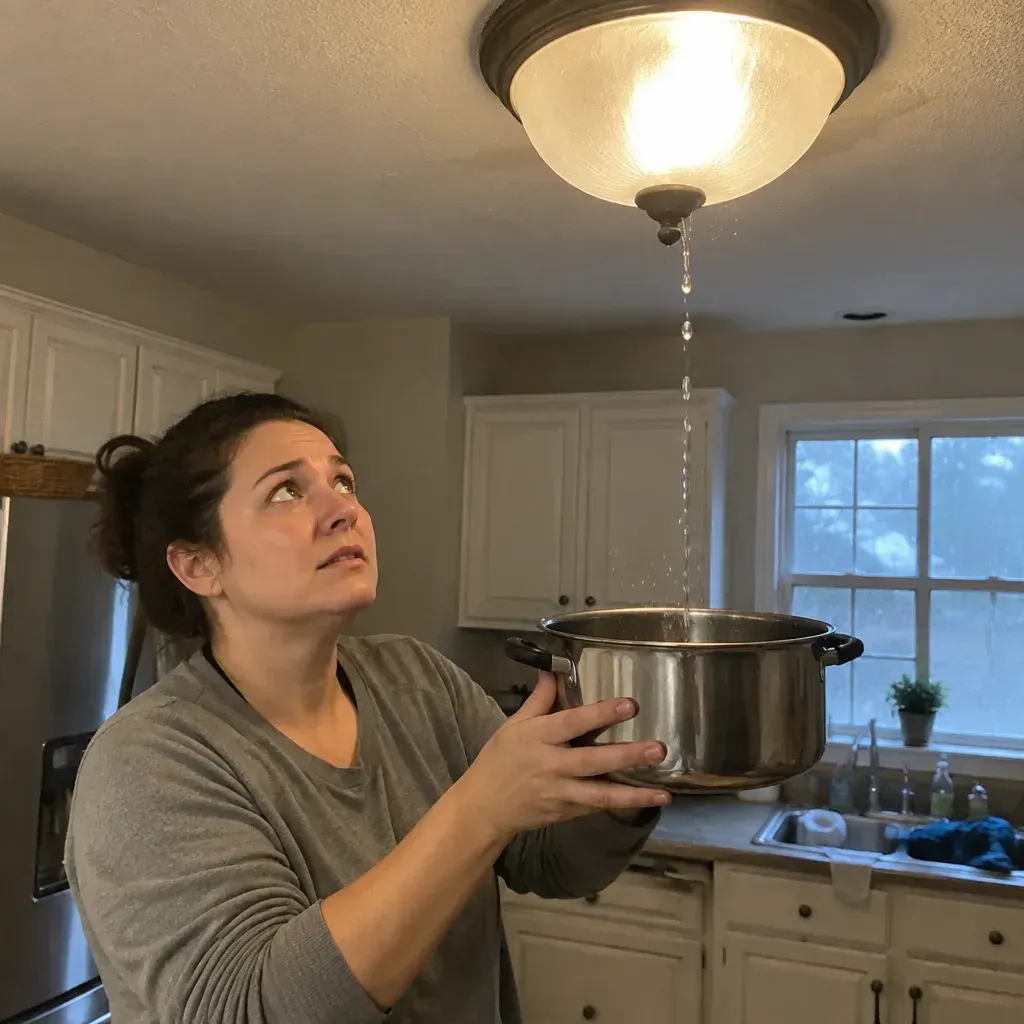
Why can a Danbury roof stay dry in light showers but leak in a downpour? Learn how water volume, roof details, and storm notes help guide an assessment.
Read article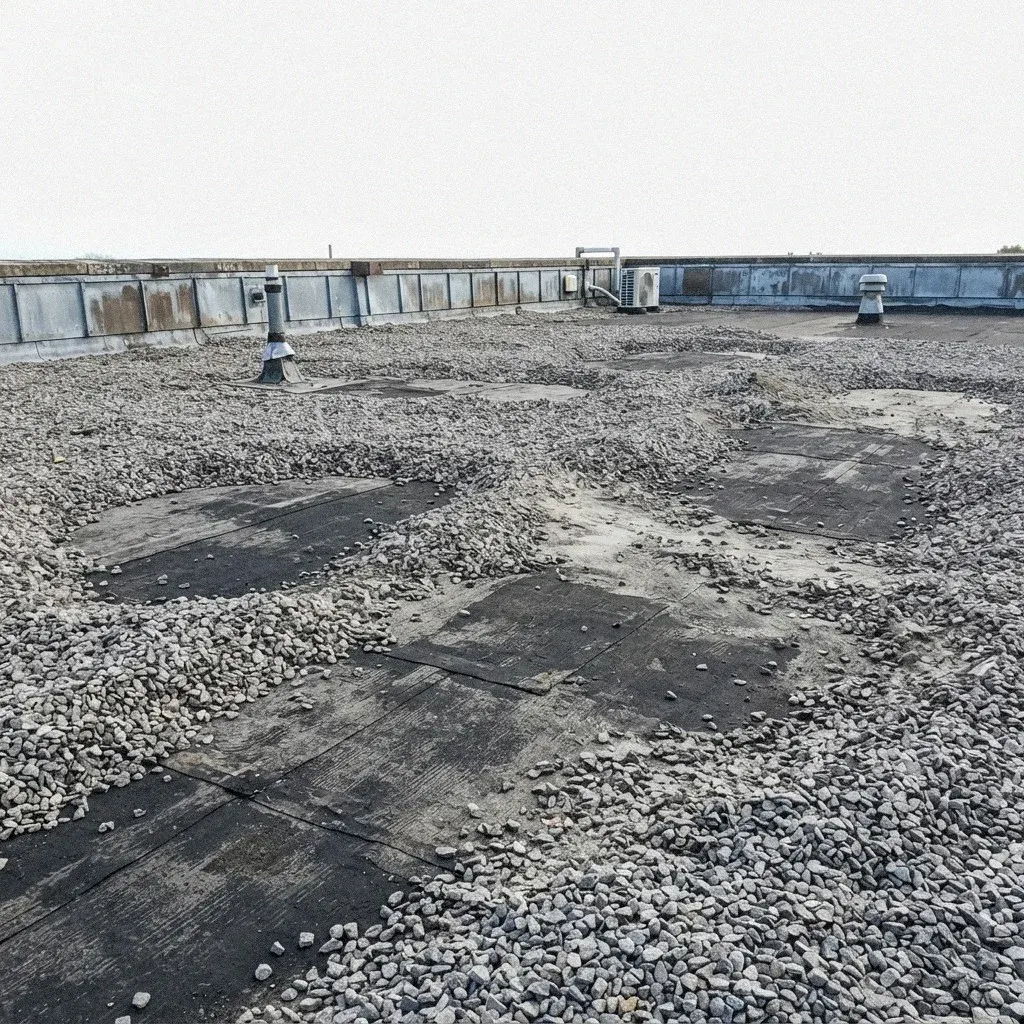
Wind can send rain against roof edges and seams that stay dry in calmer weather. Learn why the leak may follow a particular wind direction and what details help an inspection.
Read articleFor a Danbury property near Route 8, give the pros we connect you with the address and ask whether it falls within their service area. Explain where water shows indoors and what changes you have observed, then ask what the inspection includes and whether it carries a charge. A written explanation should identify the suspected roof component and the work proposed for it. Clarify which items are outside that scope, how they would be priced, and what warranty terms apply before deciding how to proceed.
Call (475) 897-6140