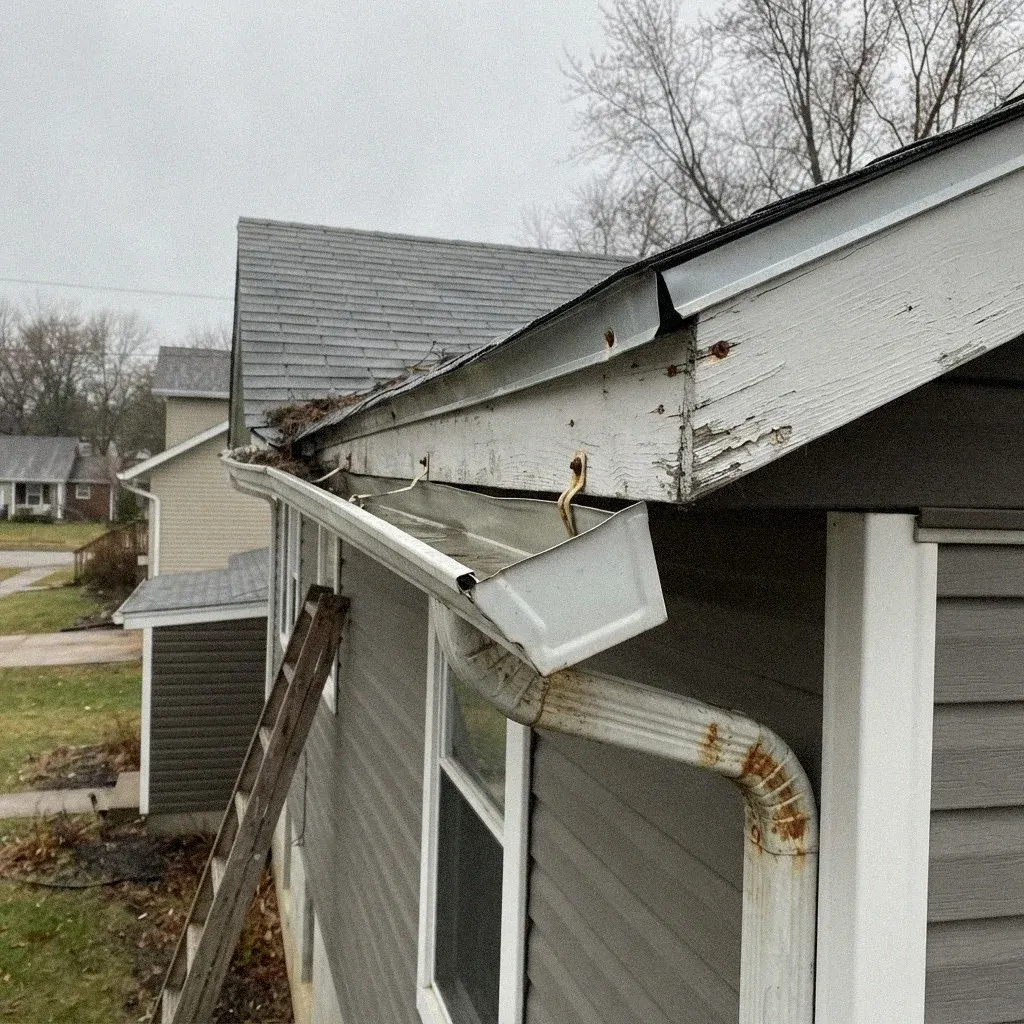
Leaks After Rain
Why can a Danbury roof keep dripping after rain ends? Learn how water held in roof materials affects timing, what signs to track, and when to arrange an inspection.
Read article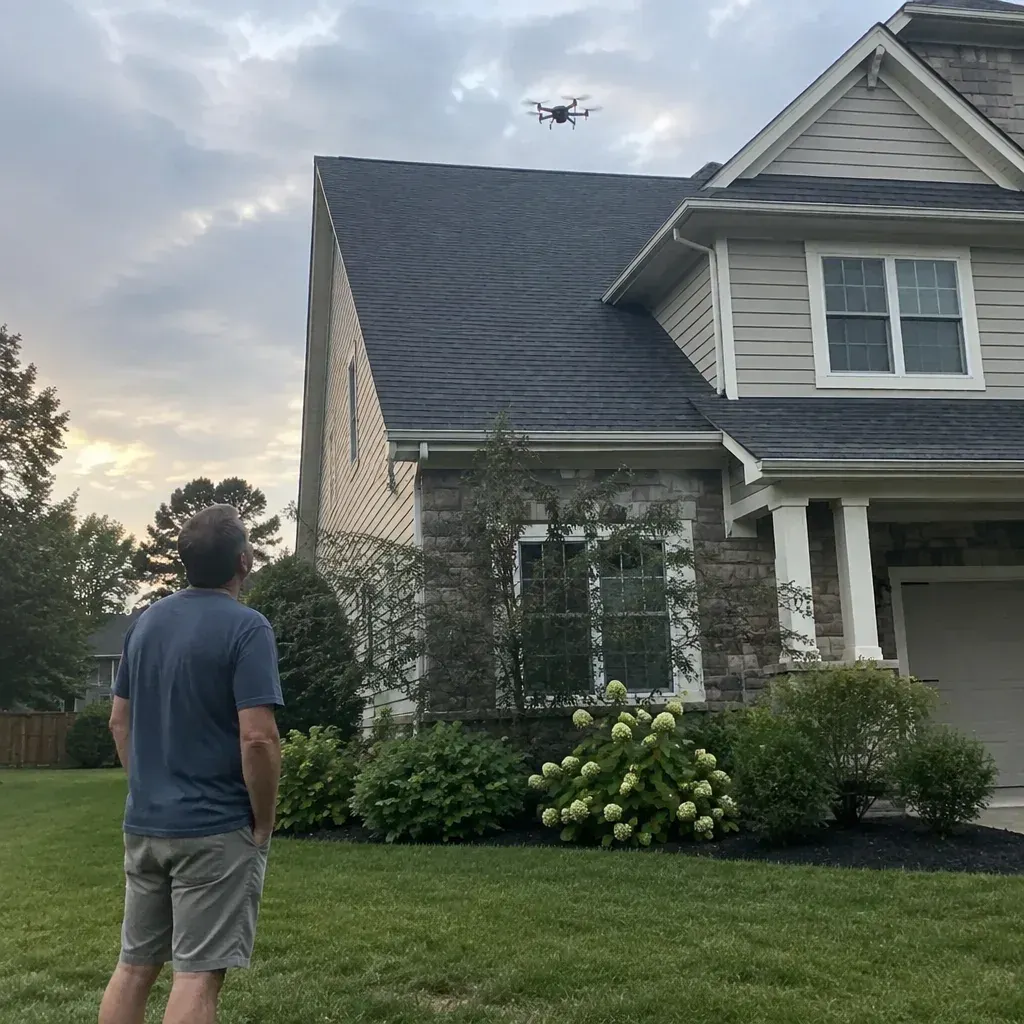
From Candlewood Town Park to Tarrywile Park, Danbury leak checks follow evidence.
Danbury’s rain, snow and freezing temperatures can test the joints where roofing meets a chimney, wall or vent, but a ceiling mark rarely identifies which joint let water in. Near Candlewood Lake or Tarrywile Park, remember that water’s route may bend: a stain can sit below framing far from the roof opening. Blocked drainage can leave water pooled at a roof edge even when the nearby covering appears sound.
The pros we connect you with can begin inside, matching the stain and its timing to moisture trails on accessible attic framing, then check the roof details above the likely path. In Danbury, the home's roof design, safe access, and attic visibility shape how much the visit can establish and how long it may take. If clues point to more than one opening, the roofer can explain what remains uncertain and whether controlled testing would help distinguish the routes.
Across Danbury and Brookfield, New Fairfield and Ridgefield, Leak Inspection is scoped from the specific roof and attic evidence; a home near Brookfield Center may need a different repair than one by Ballard Park.
Choose residential roof leak repair service for a roof leak at your residence; if your responsibility is rental housing or a business property, commercial roof leak repair describes the commercial option.
Keep a simple note of when the mark changes: during steady rain, after rainfall ends, or around a thaw. Check nearby trim and wall corners for discoloration or peeling, since moisture may show beyond the main mark. Those details do not locate the opening by themselves, but they help the roofer compare the indoor pattern with weather and roof conditions. A dated photo can also show whether the mark has spread between visits.
On the roof, the inspection shifts from broad surface to junctions: a roofer checks shingle edges, valley lines, vent boots and flashing where a chimney or wall meets the covering. At a low-slope section, seams call for a different look than shingles do. Around Danbury Green, rain and snow exposure make these transitions worth checking, but appearance alone does not prove a component caused the indoor mark. The inspection can also note whether roof drainage carries water away from seams and edges.
Once indoor and attic clues suggest an area, the roofer examines the corresponding roof surface and its joints. Shingles, valleys, vent boots, roof seams, and flashing at a chimney or wall can all be checked for openings or wear; flashing helps shed water where roof materials meet. At a Danbury home near Tarrywile Park or Danbury Green, the specific roof and its visible condition—not the landmark—determine which details merit closer attention.
You describe the room, timing, and recent roof changes; notes from a home near Route 8, for example, help the roofer frame the visit.
The roofer records visible roof conditions, including damaged materials, open joints, or debris near vulnerable details.
Roof details aligned with that trail are reviewed for gaps or wear, including shingles, valleys, vent boots, seams, and flashing at joints.
You can use that explanation to decide whether to monitor the area, request further evaluation, or discuss repairs.
A stain records where water reached the interior, while a trail on framing or decking may point back along a different route. If those clues are treated as the source, the roof check can focus on the wrong area. At a Danbury home, matching the attic evidence to the relevant roof joints helps narrow the possibilities; when the route stays unclear, the roofer can explain what additional inspection or controlled testing might resolve.
Danbury climate normals provide context for precipitation and winter temperatures, including periods when freezing conditions and snow are possible. Climate averages describe typical patterns, while conditions during a particular leak may differ. It does not establish a cause. A visit after a wet or icy period also depends on safe access, so ask which roof areas can be inspected under the conditions that day.
Connecticut treats residential roof work as home improvement and requires contractor registration, subject to listed exceptions. Before any later work is agreed, you can ask the pros we connect you with about applicable registration and request a written description of the inspection findings and proposed scope. Registration does not by itself describe what an inspection includes, so ask what the visit will cover.
Near Candlewood Lake, Leak Inspection figures are preliminary; cost shifts with the water entry and repairs needed. Have the contractor review inspection evidence, any callout charge, and the written repair plan.
| Material condition | Included labor | Quote details |
|---|---|---|
| Confined area | Repair one failed roof piece; unaffected roof sections stay outside scope | an estimated $90–$350 |
| Standalone section | Work covers one confirmed roof opening; other water routes fall outside scope | an estimated $105–$455 |
| Linked sections | Repair one small, localized fault; deteriorated surrounding materials are not included | an estimated $90–$350 |
| Extensive coverage | Address one worn component alone; intact roof sections remain beyond scope | an estimated $215–$1,400 |
The indoor stain marks where water appeared, while inspection identifies the roof work that needs attention. Inspection separates the visible symptom from roof work actually needed, which can change the estimate as repair size becomes clear. The full pricing guide covers how scope affects cost.
Yes. Ceiling finishes can hide the full extent of moisture, so a small mark may not show the whole affected area. A roofer compares its location and timing with attic trails and roof details that line up with those clues. In Danbury, mention whether the mark appears during rain or as winter conditions change; that context can help guide the inspection without proving the source on its own.
The roofer first records the indoor locations and conditions, then checks accessible attic areas for moisture paths or changes in the framing. Those observations guide a roof review of nearby shingles, valleys, vents, seams, and flashing. If a section is inaccessible or weather limits safe roof access, the roofer should explain which parts could not be evaluated and how that affects the conclusion.
Keep the area clear if practical, but do not climb onto the roof or enter an unsafe attic to investigate. Photos taken at different times can help show a shift in the stain. Share whether attic access is available and point out areas the roofer may not see from the entrance; that helps set a realistic inspection scope.
It may help when a visual review leaves multiple plausible entry areas. A roofer can explain what a controlled test would involve, which area it is meant to evaluate, and what a negative or unclear result would mean. Testing is not always needed, and it may not settle the question if conditions during the visit do not reproduce the leak.
Time and cost depend on roof access, the roof's layout, attic visibility, and how many possible paths need review. A visit with clear, accessible evidence may be more straightforward than one with hidden areas or several competing clues. Ask what the inspection includes, whether additional testing would be separate, and when you can expect the findings to be explained.
Ask for photos of relevant interior marks and roof details, along with a written summary of what the roofer observed and which entry area seems most likely. The summary should also say what could not be checked and whether testing could clarify the result. If the likely entry area remains uncertain, ask what additional observation could change the roofer’s assessment.
$90–$350 for this work is the estimated range for leak inspection; the roof surface and leak location help determine how much repair is needed. The pros we connect you with confirm the price after inspecting those conditions.
A ceiling mark may sit apart from the roof opening; tracing the gap takes care.
Why can a Danbury roof keep dripping after rain ends? Learn how water held in roof materials affects timing, what signs to track, and when to arrange an inspection.
Read article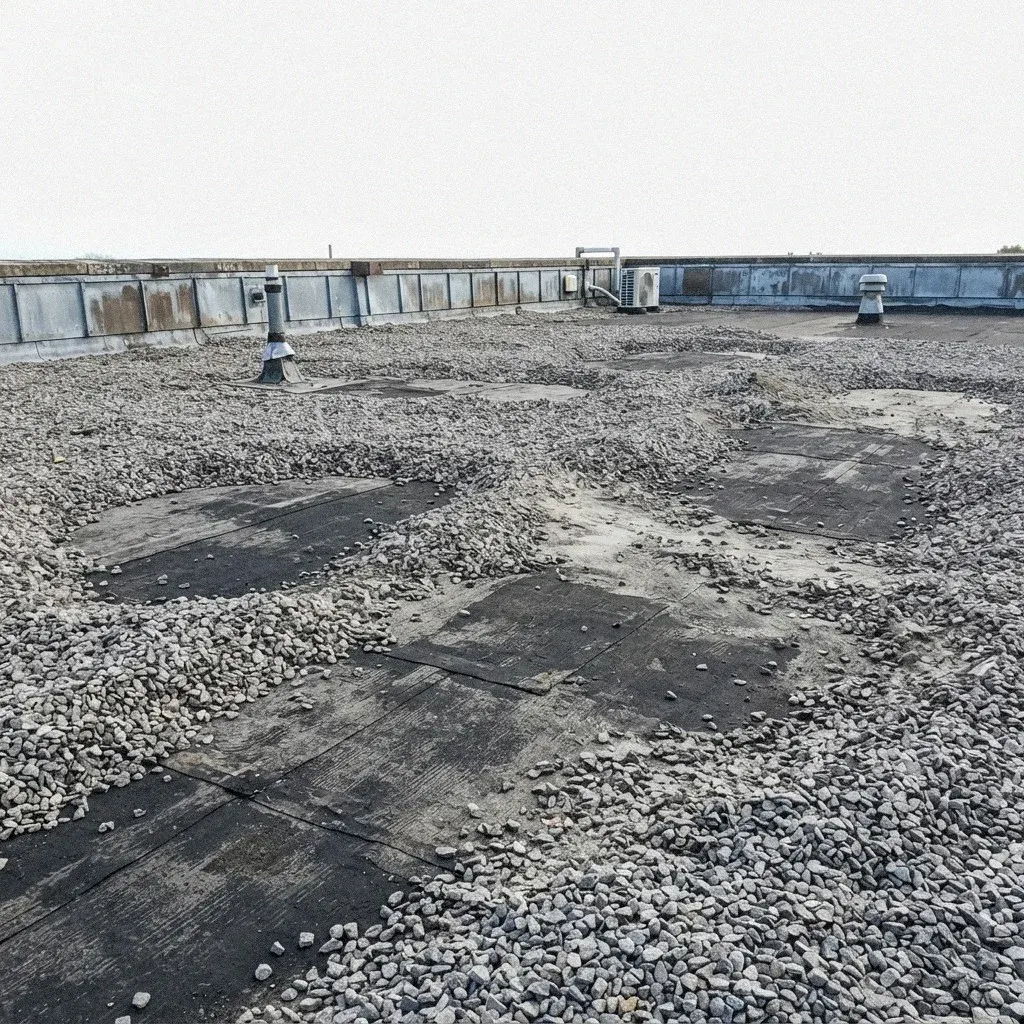
Wind can send rain against roof edges and seams that stay dry in calmer weather. Learn why the leak may follow a particular wind direction and what details help an inspection.
Read article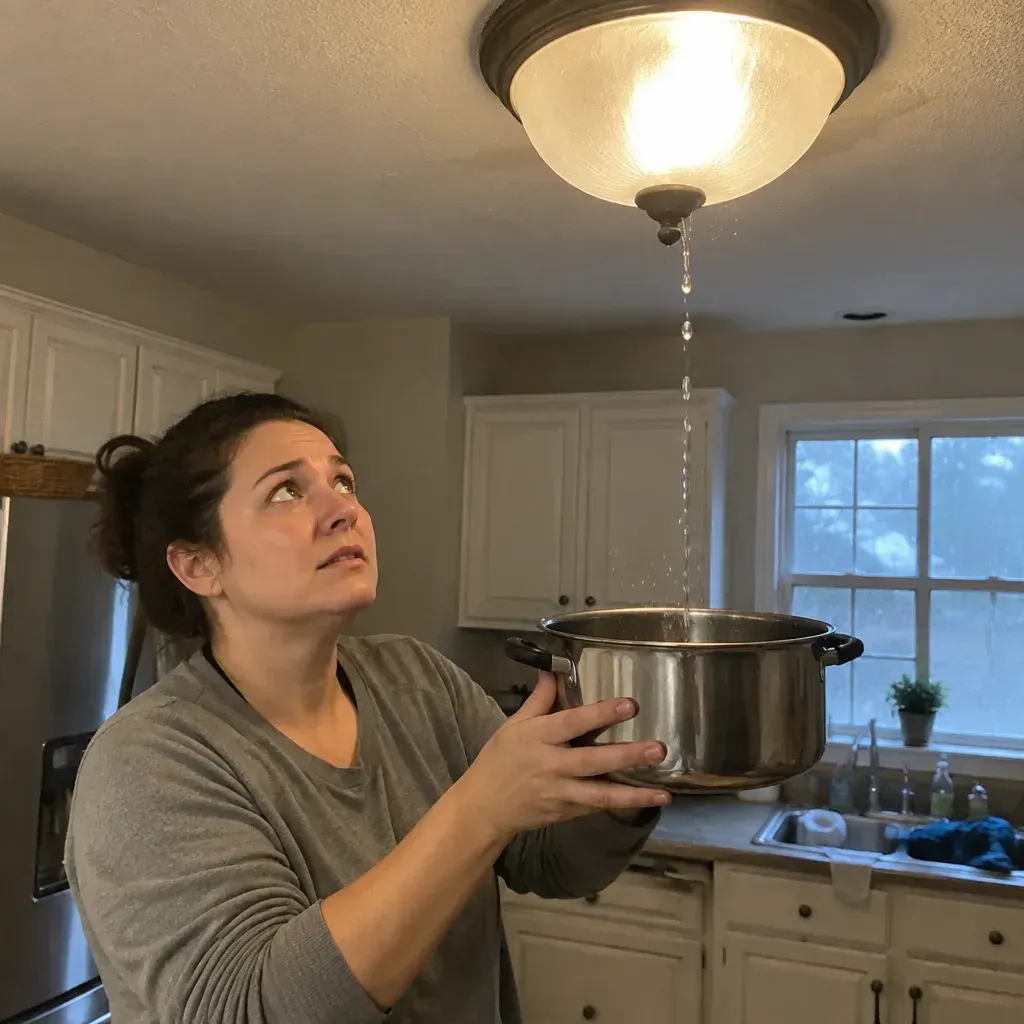
Why can a Danbury roof stay dry in light showers but leak in a downpour? Learn how water volume, roof details, and storm notes help guide an assessment.
Read articleFor a Danbury property near Route 8, give the pros we connect you with the address and ask whether it falls within their service area. Explain where water shows indoors and what changes you have observed, then ask what the inspection includes and whether it carries a charge. A written explanation should identify the suspected roof component and the work proposed for it. Clarify which items are outside that scope, how they would be priced, and what warranty terms apply before deciding how to proceed.
Call (475) 897-6140