Warehouse Roof Leak Repair
Danbury Facilities
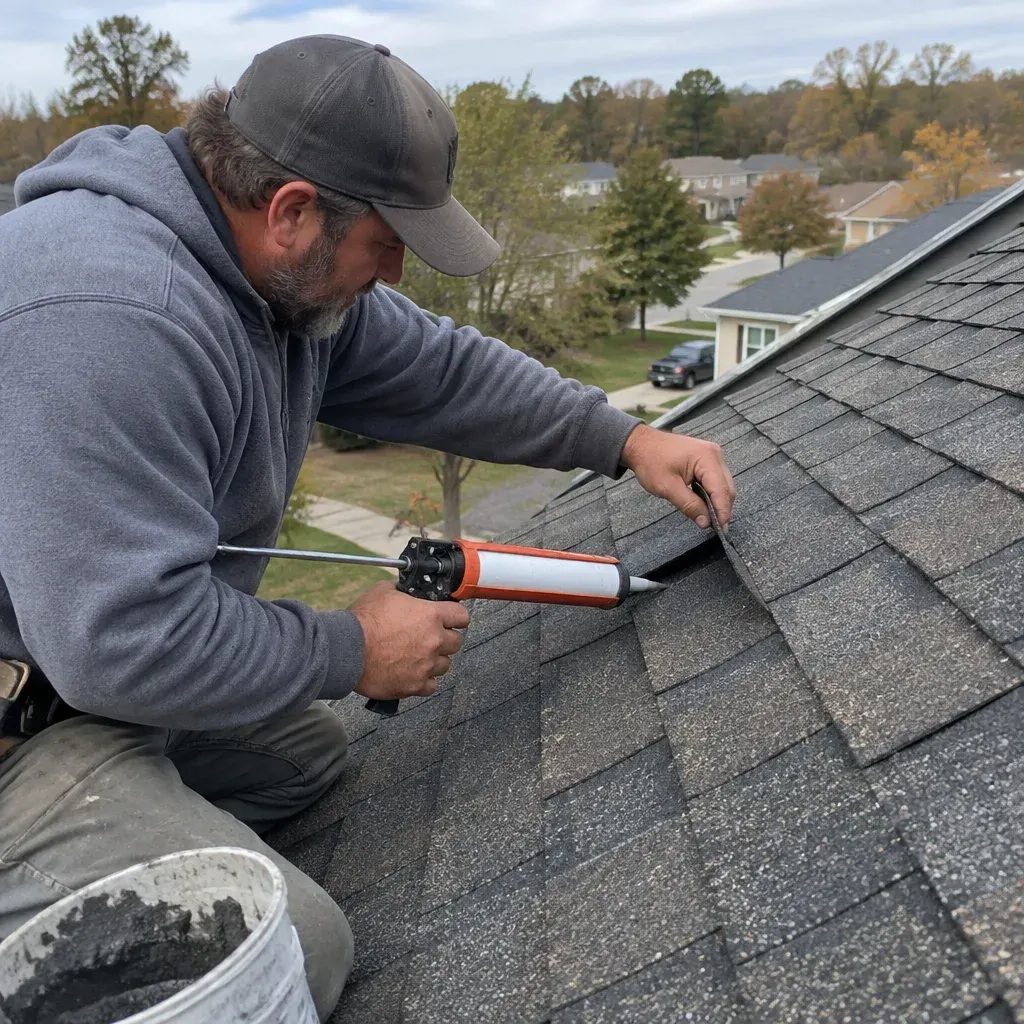
Coordinate roof access, work boundaries, and clear repair records so Danbury retail properties can keep operating.
A roofer can coordinate access and work boundaries with the site contact, repair the identified roof section, and document the findings and completed work. Clear records help managers track the work while stores and shared areas remain open.
A wet or steep roof is not a safe place for store staff to investigate; leave roof access and fall protection to the pros we connect you with. For a Danbury retail roof leak, keeping the property open starts with a plan for where work can happen, how people move below it, and what records the property manager needs. Identify the affected store or shared area, its active hours, and known roof access limits before arranging an assessment. That gives the repair team a workable boundary to discuss.
In Danbury, choose protection around the activity below the leak. Move merchandise or equipment out of the work area where practical, and use barriers or temporary closures to keep shoppers and employees away from overhead work. Tell the pros we connect you with which aisles, checkout areas, staff rooms, or entrances must remain usable. A clear plan helps the store continue operating while limiting foot traffic beneath the repair and giving staff a specific route around the work.
A stain in one tenant’s ceiling does not identify the roof section above it. Water can travel along decking or framing before becoming visible, so a shopping center roof repair may need to account for separate suites and shared spaces. In Danbury, record each report by tenant, room, and approximate location, then compare those details with the roof layout. This helps the property manager distinguish a single affected area from reports that may trace to different sections.
Agree on roof access before the work date. In Danbury, note which doors or ladders are available, whether access needs an escort, and where equipment can be brought in without crossing customer areas. Share delivery periods and loading restrictions with the pros we connect you with, then document the agreed route and staging area. If a roof is wet or steep, safe access may require suitable equipment and fall protection; postpone that part of the work until conditions allow it.
Set the work boundary with the store manager, including the space below the repair and the path workers will use. A Danbury shop may be able to keep most areas open while briefly closing a fixture, corridor, or entrance beneath active work. Decide who can adjust the boundary if conditions change, and how that person will notify staff. A specific closure plan gives employees clear instructions and helps prevent shoppers from entering an area where tools or materials are in use.
| Store area | Open hours | Repair record |
|---|---|---|
| Interior report | Store, suite, ceiling location, and reported condition | Helps a manager connect the report to the affected area |
| Roof plan marker | Roof grid, section, or drainage area | Gives an inspector a reference across a large roof |
| Condition photos | Interior evidence and damaged roof component | Lets an insurer review the documented conditions |
| Proposed scope | Affected materials and limits of planned work | Shows the manager what the repair addresses |
| Access record | Roof entry point, escort needs, and restrictions | Clarifies how access was coordinated around store activity |
| Work boundary | Separated area, alternate route, and affected fixtures | Documents how shoppers and staff could move safely |
| Address reference | Danbury address; Danbury Green, Tarrywile Park, or Candlewood Lake as a locator | Keeps a landmark secondary to the verified street address |
| Closeout note | Completed area, repair performed, and remaining concerns | Shows which materials need attention before cleanup begins. |
On a broad retail roof, connect each indoor report to a roof zone rather than treating the building as one surface. For a Danbury property, a roof plan can mark suite divisions, shared corridors, drainage paths, and changes in roofing material. Water may enter at a seam or flashing detail and appear elsewhere indoors, so the visible stain is a clue, not a roof address. A mapped record helps the manager track which areas were reviewed and where repair work was performed.
Photographs make the repair file easier to review later. Ask the pros we connect you with to capture the affected roof detail and the related indoor condition, then label each image with its location and capture date. A Danbury property manager can keep those images with tenant reports and the inspection summary for an insurer or inspector who needs to understand what was observed. Images document visible conditions; they do not by themselves establish the leak’s cause or guarantee claim coverage.
Choose a work window around store operations and roof conditions. A Danbury manager can share opening hours, scheduled deliveries, and periods when a shared entrance must stay clear, then ask whether the proposed timing fits the repair. Record any tenant notice or temporary route change so staff know what customers may encounter. If weather makes roof access unsafe, the schedule may need to shift; keeping that decision with the property contact avoids confusion across tenants.
Before approving a scope, ask for a written leak inspection summary that names the roof area reviewed, the evidence observed, and the component the proposed repair will address. For a Danbury store roof leak, the component may be flashing, a roof seam, or another detail identified during the assessment. Attach photos of visible staining or damaged material when they help explain the finding. Ask that uncertain findings be described as uncertain, rather than recorded as a confirmed cause.
The inspection record should identify areas the roofer could not safely reach or fully assess. Wet or steep surfaces can make walking hazardous, and suitable equipment and fall protection are needed for roof access. If a Danbury roof section was unavailable during the visit, note that limit and whether another assessment is recommended when access is safe. This gives an insurer or inspector context for the findings and helps the manager understand what the report does not establish.
After the repair, keep a dated work description with the property’s roof records. It should identify the section addressed, the component repaired, and materials used, along with any observations that matter for later review. For Danbury retail properties, tying the record to the tenant or shared area makes it easier to answer follow-up questions without relying on memory. The file can also include the original inspection summary and photographs, so the reason for the work remains clear to the next reviewer.
Keep permit and exterior review notes with the repair file when they apply. Requirements depend on the property, the work, and the local authority, so a Danbury manager should verify what applies to the specific project before work is approved. Record the question asked, the authority contacted, and any direction received. That creates a useful trail for an insurer or inspector without assuming that every leak repair follows the same process.
At closeout, compare the approved scope with the roofer’s description of completed work. In Danbury, record any change to the planned repair and the reason given, plus any recommendation for further evaluation. Ask which roof section was addressed and whether the work boundary can be removed. The manager can then update the property file and tell affected tenants what was completed, without implying that a repair covers roof areas outside the agreed scope.
For a retail roof leak in Danbury, the repair record should identify the roof zone worked on and the store or shared space beneath it. On a broad shopping center roof, distinct location labels let a manager match roof photos, interior staining, and contractor notes without assuming each mark has the same source. A site plan can orient the property near Route 8 or Route 22, while a roof sketch pinpoints the work area. The pros we connect you with can record the repair completed and any follow-up finding for the property file, insurer, or inspector.
On a Danbury retail property, the record should connect an indoor report to the roof section, work plan, and completed repair. Large stores and shared centers may have separate tenants, roof elevations, and access points; label each item with the property address, store or common area, and roof-plan marker. Keep dated interior and roof images, the roofer’s findings, agreed scope, and completion notes together. Attach invoices and material details to the same file so later roof reviews can identify what the repair covered. Record any work-boundary or access changes, too.
The places linked below show the potential reach of roof leak repair throughout Western Connecticut. A location check can clarify whether service extends to your property, includingBrookfield, New Fairfield and Ridgefield. For an address near the service boundary, settle travel billing and visit fees with the provider before arranging access.
For a commercial site with several roof sections, the proposal may set a visit fee or scale the assessment to roof size and inspection frequency. $90–$350 helps frame a budget. Drainage layouts, sections that are hard to reach, and the amount of interior tracing requested may shift the estimate.On a commercial roof near Brookfield Town Park, a larger footprint or complex layout can add edges, seams, and penetrations to the materials and labor involved, moving the price. When calling, describe the roof area and layout, suspected leak location, and indoor water signs so the pros we connect you with can discuss the work.Compare repair ranges in pricing guide; commercial overview shows how planned commercial roof checks fit into ongoing building care.
Danbury Facilities
Occupied Office Roofs
Multifamily Leak Work
Set the work window with the site contact around store operations, deliveries, and roof access. The roofer can explain which section needs attention and how long access or a work boundary may affect nearby areas. A store near Route 8, for example, should still use its own operating schedule and site rules to plan the visit. Put the agreed timing and any changes in the property record.
Keep shoppers and employees outside the area below active roof work, and agree with the roofer on how materials and workers will reach the repair point. The site contact can identify entrances, loading areas, and staff routes that need to stay usable, then communicate any temporary routing to tenants. Record the boundary and its removal when work ends so operations staff know which areas are available.
Keep a file that ties the reported leak to a specific store or shared area and roof-plan location. Include dated images of visible interior effects and relevant roof conditions, the written findings, proposed work, and completion notes. An insurer or inspector may ask for some of these records; their requests vary. A clear file also helps a manager compare the repair with earlier maintenance entries.
Ask the roofer for a closeout note identifying the roof area and component addressed, the work completed, and the date. Add any labeled after-work photos and note whether a work boundary or access restriction remains. File the record with the property’s maintenance history and share relevant details with affected tenants. If a later report comes from another area, log it separately for review.
Before arranging an assessment in Danbury, note the affected store, operating hours, roof access limits, and the matching roof-plan area.
Call (475) 897-6140