Retail Roof Leak Repair
Retail Roof Repair
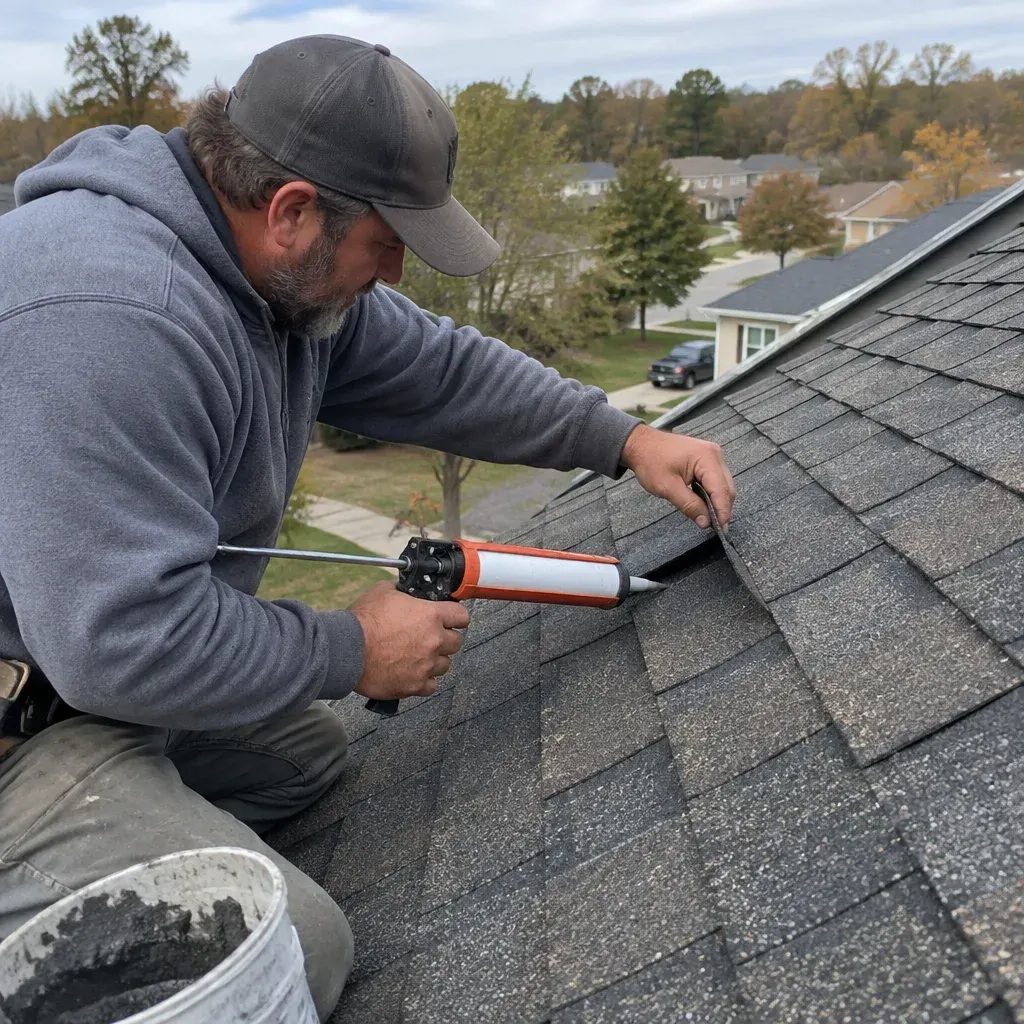
Danbury warehouse roof repair: connect affected facility zones with roof findings and a clear work record.
A roofer can connect reported warehouse leak locations to roof areas, inspect the relevant field and penetrations, then repair the component supported by the findings. Clear zone labels and a written scope help protect goods and keep work coordinated with operations.
A warehouse roof leak can put stock, equipment, and scheduled work at risk, so the first step is to show the pros we connect you with what is happening below each reported area. In Danbury, list the building address, interior zone, and activity affected; a drip above boxed goods calls for different coordination than one above an active loading lane. Keep staff off the roof. Your notes can help shape one inspection scope across the addresses you manage.
Rank each report by its likely business impact: note whether water threatens inventory, machinery, or a work area, and whether the issue is still affecting operations. Give each Danbury location a clear label so reports from separate buildings do not blur together. Include when staff first noticed the problem and whether it has changed. This helps the pros we connect you with plan attention around the areas where a leak could disrupt storage or work.
Pair each interior report with a roof plan or building diagram when available. Mark the affected zone and nearby rooftop equipment, then identify the drawing by street address and building name. Danbury Green or Tarrywile Park may help staff describe the general part of town, but the exact property address is what the roofer needs to distinguish one site from another. A consistent reference for every building makes a shared inspection request easier to follow.
A small ceiling mark does not show how much roof should be considered. Water may travel beneath the roof surface before showing indoors, so ask the pros we connect you with to relate each report to the surrounding roof section and its drainage path. For Danbury properties with more than one building, clarify which roofs are included in the visit and how the roofer will identify each inspected area. That keeps the scope useful across the portfolio.
The roof covering and its vulnerable connections help determine where attention belongs. Depending on the system, the roofer may examine seams, flashing around openings, edges, drains, or transitions where materials meet; flashing helps keep water from passing through those joints. A distribution center roof leak may involve a different component than a leak on another building. In Danbury, ask the roofer to record the material and location involved at each address so findings stay tied to the correct roof.
| Storage area | Work impact | Roof condition |
|---|---|---|
| Property key | Danbury street address and building identifier | Keep each facility’s inspection scope distinct |
| Affected area | Storage, shipping, or production zone | Show where goods or work may be exposed |
| Leak position | Interior room, aisle, or grid marker | Help match reported water to the correct facility |
| Roof section | Plan zone or roof elevation | Define the area for inspection and repair |
| Roof details | Drains, seams, and nearby penetrations | List components relevant to the proposed work |
| Inventory exposure area | Work schedule and access constraints | Plan roof access around facility activity |
| Repair scope | Findings, affected materials, and proposed work | Make the work basis clear for review |
| Map orientation | Industrial facilities often need careful service planning around daily operations. | Use landmarks for orientation, never as property addresses |
Once the findings are clear, the repair should address the component and roof area implicated by the inspection. A damaged seam, a failed joint, or another localized defect may call for focused work, while broader deterioration could change the proposed scope. For industrial roof repair in Danbury, ask the pros we connect you with to explain what condition supports each recommendation and whether the same repair approach applies at every listed address.
Roof access needs coordination with the building and the work below. Wet surfaces can be hazardous, and roof inspection calls for suitable equipment and fall protection, so staff should not climb up to investigate. Tell the roofer about controlled access points, operating hours, and any areas that must remain clear. If an address near Route 8 has different access arrangements from another Danbury site, record that separately in the inspection request.
Plan how repair work overhead will relate to storage and active operations beneath it. Identify aisles, equipment, and inventory that may need to be kept clear while the work proceeds, and name a facility contact who can coordinate access. This information lets the roofer discuss a work area suited to each Danbury building instead of assuming all sites operate alike. Keep the scope specific about which interior zones may be affected by the planned repair.
Ask for records that link the reported interior condition to the roof area inspected at each property. Photos can show water marks indoors and relevant roof components, while written notes can identify the building, section, and observed condition. In a Danbury portfolio, label each item by address so records do not get mixed between sites. These materials give facilities staff a clear account to share with a property manager or insurer, without assuming what an insurer will decide.
The written repair scope should name the address, roof section, and component involved, then describe the work proposed for that condition. If the recommendation includes more than one task, ask which finding supports each one and whether any other area needs separate evaluation. For Danbury sites, a shared summary can help compare needs, but each property's description should remain distinct. That gives you a practical record of what the pros we connect you with plan to address.
The cost of a leak inspection can change with the total roof area, access conditions, number of buildings, and level of documentation requested. A request covering several Danbury addresses may involve different roof layouts and access needs, so ask how those factors shape the inspection scope. Clarify whether the estimate covers every listed building and what records it includes. This lets you compare proposals by the work described rather than by an unexplained total.
Repair costs depend on the roof system, the affected components, access, and the work supported by inspection findings. Ask whether each proposed repair is priced by address and roof section, and what could change the scope if additional conditions appear during the work. Permit needs may depend on the property and project, so verify them with the appropriate local office. For Danbury facilities, keep inspection charges and repair recommendations clearly identified as separate items.
Before contacting a roofer, assemble a site list with each Danbury street address, reported interior zone, affected operation, and roof equipment above it. Add a roof plan if one is available, plus access limits and a contact for each property. If staff use nearby references such as Sanfords Pond to orient a location, include the actual address too. Send the same set of information to the pros we connect you with and ask how they will document each inspected roof.
Use the first discussion to confirm which buildings the inspection covers, how the roofer will distinguish roof sections, and what records you will receive. Ask how findings will connect each reported leak to a proposed repair, and how the work can be coordinated around stored goods and active tasks. A clear, address-by-address scope gives you a basis to decide what to schedule next. For Danbury sites, keep the site list current as reports or operating needs change.
A warehouse roof leak in Danbury can threaten goods even when the first sign is a damp carton or a stained loading area. Record the aisle or work zone, the roof equipment above it, and whether the affected space handles storage, packing, or movement of goods. Those details help the roofer connect operational risk to the roof area that needs attention. For facilities with addresses near Route 8 or Western Connecticut State University, use the same location labels in staff notes and repair records so the work remains easy to track.
The places linked below show the potential reach of roof leak repair throughout Western Connecticut. A location check can clarify whether service extends to your property, includingRidgefield, Danbury and Brookfield. For an address near the service boundary, settle travel billing and visit fees with the provider before arranging access.
A distribution building or multi-tenant property may receive a per-visit quote, a rate based on roof area, or a recurring inspection plan. Use $90–$350 as a planning reference. Building height, access equipment, interior access arrangements, and requested follow-up visits can affect the total.On a commercial roof near Brookfield Town Park, a larger footprint or complex layout can add edges, seams, and penetrations to the materials and labor involved, moving the price. When calling, describe the roof area and layout, suspected leak location, and indoor water signs so the pros we connect you with can discuss the work.Compare repair ranges in pricing guide; commercial overview shows how planned commercial roof checks fit into ongoing building care.
Retail Roof Repair
Multifamily Leak Work
Occupied Office Roofs
Rank each reported leak by what sits below it and how that area is used. Water above boxed inventory may pose a different concern than a drip over an open service lane or equipment. A Danbury facility can mark the zone on its floor plan and note nearby roof equipment, giving the roofer a practical order for reviewing locations and proposing repairs.
A useful record ties the reported interior location to a roof area, describes the affected material or component, and summarizes the work proposed or completed. Include dated photos with clear location labels and note any access limits that shaped the work. If your facility uses landmarks such as Candlewood Town Park to distinguish a Danbury address, keep that reference with the address and roof plan.
Often, if the work area and roof access can be coordinated with facility staff. Tell the roofer which aisles, loading areas, or equipment routes need to remain usable, and identify periods when those areas are busy. The repair plan can then set out where access is needed and what work affects the operation. A Danbury site near Farrington Woods can use its own floor-plan labels to keep the schedule tied to the correct building zones.
Repair cost depends on the roof system, the component that failed, how much material needs repair, and the access conditions at the affected area. A seam repair and work at a penetration can require different materials and steps. The written scope should clarify whether the repair covers only the damaged area or nearby roof material as well.
Mark affected work zones and roof equipment on your facility plan, then contact the pros we connect you with to discuss repair scope and records.
Call (475) 897-6140