How Interior Water Trails Are Traced
Roof penetrations and wall transitions can create separate leak paths for an inspection to consider. A leak inspection can check those areas after wet or freeze-thaw conditions, without assuming weather caused a particular opening.
From Candlewood Lake to Tarrywile Park and the Route 8 corridor, Danbury properties occupy different settings. Those place names help locate a home for an appointment; they do not establish its roof material or condition, which must be checked at the property.
Some roof leak requests start in Danbury; others come from elsewhere in Western Connecticut. Give the pros we connect you with the property location so they can establish whether they serve that area before you plan next steps.
Matching Repairs to Roof Findings
- INSTALLED SYSTEM
- Fasteners and flashing are among the components checked when a leak source is assessed.
- UNIT DAMAGE
- Fastener type and position must match the product’s instructions and preserve the way its courses overlap.
- FASTENERS
- Sound synthetic pieces can sit beside a leaking transition, so flashing and adjoining materials may need separate repair.
- TRANSITIONS
- Product limits can make a localized repair unsuitable.
- FIT LIMITS
- A substitute can look similar yet differ in dimensions, overlap, or attachment points; ask whether the proposed piece is compatible with the installed system.
- Cost Factors
- Danbury rain can reveal gaps at overlaps, while snow and freezing temperatures can complicate roof access and assessment. After conditions clear, have a roofer check displaced synthetic pieces and transitions; product flexibility and fastening details vary by covering.
- SITE CONDITIONS
- an estimated $90–$350
Using Attic Evidence to Narrow the Leak Path
Natural slate roof repair. Both coverings can resemble thin, layered pieces from the ground, but natural slate is stone while synthetic slate is a manufactured product whose profile and fastening depend on its maker. In Danbury, distinguish a synthetic-unit repair from a flashing repair by checking what the scope addresses: replacement or refastening of damaged shake or slate units, or sealing a roof transition. Near Brookfield Center and Lake Lillinonah, the installed product’s specifications should guide compatible fasteners and repair materials; a sealant-only proposal does not show that damaged units are handled.
Roof Leak Repair Scope After Roof Review
The roofer asks where the leak appears and what conditions were present when it was noticed. Product markings or records help establish which covering is installed. The findings guide whether a damaged unit, attachment, or separate roof junction is the likely repair focus.
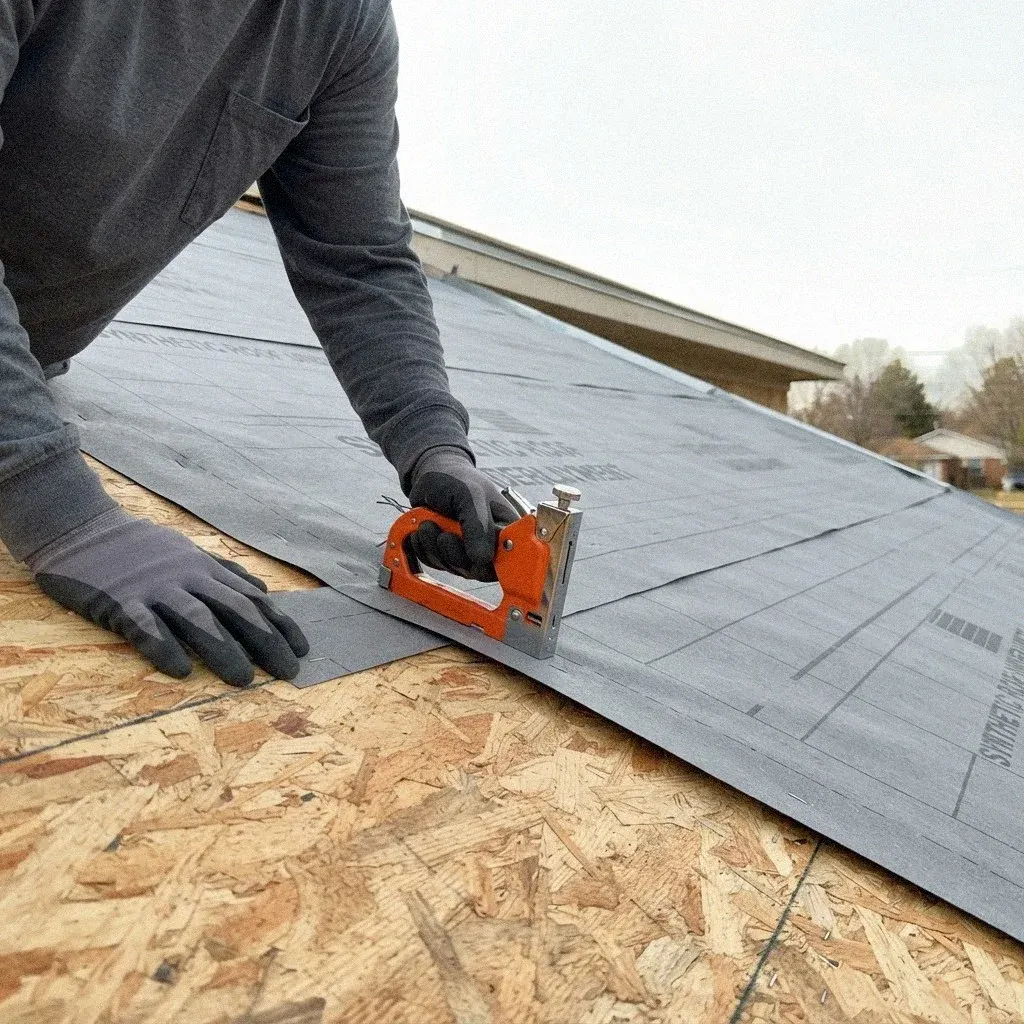
For a localized repair, the roofer lifts or removes affected units, checks the layer beneath, and fits compatible replacements with the specified attachment method. The scope may include surrounding courses if neighboring pieces have shifted. The roofer should explain when product limits make a small repair unsuitable.
One appointment may be enough when inspection ties the stain to one reachable roof defect and nearby materials show no related trouble. Separate wet areas, an unclear route, or failed earlier patches may call for staged evaluation or follow-up checks. Recurring visits make sense only while a documented concern remains.
WHEN TO FIX A SOURCE OR CHECK THE ROOF AGAIN
| Early Leak Clues |
One-Section Repair |
|---|
| Single roof damage found at one spot | Leak source tracing |
| Dripping resumes once the repair is done | Repair scope review |
| Several wet rooms, one unclear source | Roof joints resealed, shingle courses refitted |
ROOF OPENINGSConnecticut home-improvement rules include contractor registration requirements for residential roof work; registration is not a state roofing license. Ask for the written scope and invoice to identify the synthetic product, components repaired, and materials used. Confirm applicable permit requirements with Danbury for the specific work.
Clues That Help Locate Roof Entry
When a cracked unit or faulty joint keeps admitting rain, moisture can reach the layers below the synthetic covering and spread into insulation or interior finishes. A longer leak may require drying or removing wet material as well as roof work. The inspection should distinguish those needs from replacement of sound units.
Small Indoor Actions Before Roof Work
From the ground, use binoculars or a camera to note visible gaps, displaced edges, or fragments. Check old paperwork for the product name and keep a record of indoor staining. A dated photo of indoor staining can help show whether the affected area changes. Leave roof access, lifting units, and fastening work to a roofer with suitable equipment.
Roof Leak Hazards Inside the Home
A spreading stain or damp decking can show that water is moving beneath synthetic units, even when the mark indoors is elsewhere. In Danbury, including homes near Still River Greenway, inspect only from a secure indoor access point; ceiling drywall cannot support a person. Cracked units or loosened fasteners need a material-specific review before the next rain.
Which Details Shape a Roof Leak Repair Quote?
Have the pros we connect you with identify which components need replacement or sealing, then describe how those tasks affect the projected cost.For a Danbury home, the guide amount covers repair to the roof area tied to the inspected leak; separate upkeep and other roof issues sit outside it. A damaged vent boot or flashing joint can change the materials and labor involved. Ask the pros we connect you with how the inspection visit is billed and which components their proposal includes.See pricing guide for the elements behind repair costs, then read Leak Inspection to learn what an inspection may uncover and address.